
Sinus Lift Treatment
A sinus lift sometimes referred to as a maxillary sinus floor augmentation is a dentistry procedure intended to fortify the upper jawbone in preparation for dental implants. The surgeon should perform a bone graft to strengthen the upper jaw behind the sinus cavity. The sinus membrane is gently raised throughout the surgery to provide a way for growing bone. Your upper jaw will be sturdy enough to sustain an implant once your body has assimilated the grafted material.
In this typical procedure, the gum is cut to reveal the bone. The bone is then punctured to make a tiny circle. Then, like a trap door, this bony component is lifted into the sinus cavity, where bone graft material is placed underneath. Your periodontist can review several bone graft materials that can replace missing bone and tissue.
The incision is finally stitched up, and let the recovery gets started. The amount of time the bone needs to mature before implants can be inserted ranges from four to twelve months, depending on specific demands. A further healing period is necessary once the implants have been inserted. However, the implant may occasionally be inserted concurrently with sinus augmentation.
A sinus lift operation has been proven to significantly increase the implants’ length for many years. However, after this procedure, only a few people reported discomfort.
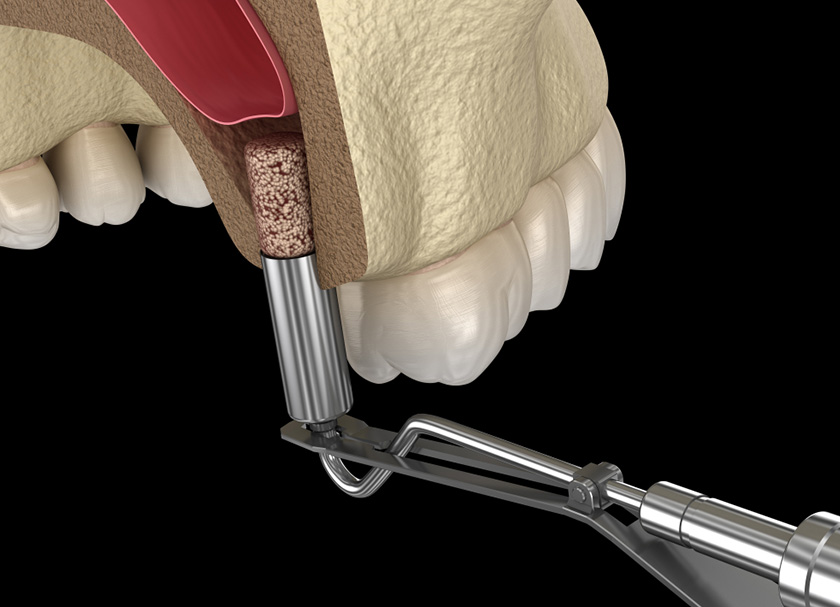
Need For Sinus Lift Surgery (Maxillary Sinus Lift)
A sinus lift may be the only option when there has been a significant loss of the upper jawbone. The jawbone will degrade and become brittle after losing or removing a tooth. Your dentist could advise a sinus lift if you have worn a denture or dental bridge for a long time or if you have a lost tooth that has not received restorative care.Other Factors That Necessitate a Sinus Lift:
-
Your Maxillary Sinus is Too Close:
Implant penetration is more likely when your maxillary sinus is too close to your upper jaw. A sinus lift procedure helps to set the implant properly by strengthening and expanding the bone. -
Periodontal Disease:
You might require a sinus lift before receiving a dental implant if you have periodontal disease. The jaws typically have severe bone recession as a result of this illness. -
Untreated Tooth Decay
: If tooth decay is not treated, it will probably travel to the bone, weakening it and making it unsuitable for an implant. Before placing an implant, a sinus lift will aid with inadequate support.
Preparation For Surgery
A sinus lift and bone grafting may be necessary before installing the dental implant as part of a multistep procedure to obtain a dental implant or implant. The procedure for dental implants typically goes as follows:- You and your doctor will discuss your expectations for dental implants during the initial session.
- Your mouth, gums, and teeth will all be examined by the doctor.
- Imaging tests, including X-rays or computed tomography scans, will be performed on you to evaluate the health of your jawbone and other important skull structures.
- If a sinus lift procedure is required to assist in anchoring the implant, you will have it done.
- The dental implant holding, or abutment, will be inserted by your doctor.
- Dentist will insert the dental implant. It usually depends on your oral health and how long this process will take.
Procedure
There are numerous methods for performing sinus lift surgery. How much bone you presently have in your jaw, the sort of bone grafts the dentist is employing, and the prospective strategy for dental implant implantation later may all affect the best course of action for you. Among the fundamental actions are some of the following:- To keep you comfortable throughout the procedure, a dentist may administer oral or intravenous sedatives or numb the area with a local anesthetic.
- Your surgeon will locate the back of your gum tissue and make incisions to expose the bone.
- Dental surgeon will make a tiny incision in the bone, careful to keep the sinus membranes out of the way.
- To raise the membrane, your surgeon will raise the sliced bone fragment into the sinus cavity.
- In the region that has just been lifted, your surgeon will add bone transplant materials. This could be synthetic bone material or bone removed from another part of your body. Before the procedure, you and your doctor will have spoken about the greatest choice for you.
- The surgeon will apply sutures to close the incisions in your gums.
- Your doctor will provide instructions to help you recuperate after the treatment.
Post Procedure
Swelling and bleeding are a couple of the most typical adverse effects following a sinus floor lift. However, the pain normally moderates within a few days, and you can resume your normal activities as your doctor instructs. The perforation of the Schneiderian membrane is the most frequent complication to be worried about when having sinus lift surgery. The risk of chronic sinusitis and sinus infection is increased by the perforation of this membrane, which lines the maxillary sinus canal. A surgeon will try to restore the membrane or discontinue the procedure entirely if this happens during surgery. If your sinus lift surgery is straightforward, your doctor will likely provide you with recuperation recommendations like:- Use antibiotics as directed to prevent infection.
- Refrain from sneezing or blowing your nose too hard, as this could impact where the bone graft material is.
- To prevent any clots or bleeding from being disturbed, refrain from brushing your teeth for a specific time.
- Utilize painkillers to ease discomfort.
- Avoid drinking with a straw to avoid disturbing blood clots that stop bleeding.
- Quit smoking. Smoking can slow down your recovery.
Expected Outcomes
Your jawbone may take 4 to 12 months to recover before dental implants can be fitted. However, when you undergo sinus lift surgery, a doctor might insert the dental implants immediately. Typically, you will not need second sinus lift surgery after a successful procedure. However, the Schneiderian membrane perforation could be the only exception. Your doctor may advise you to wait until the membrane has been healed before repeating the sinus lift. Dental implants can be placed after a sinus lift procedure. The outpatient procedure helps to build a stronger bone anchor for the implant, which boosts the probability that the implant or implants will be effective.Consult at SmileMint Studio
Before performing the oral implant treatment or other dental treatment, a specialist should thoroughly assess the condition of your jawbone and clarify the sinus lift options, techniques, and prospective bone grafting materials. Our specialist at SmileMint Studio in Delhi will give you the best advice.FAQ's
A typical surgery lasts between an hour and two. Endoscopic sinus surgery is carried out through your nostrils and does not alter the outward contour of your nose or leave any facial scars. To inspect your nasal passageways, your surgeon will use a tiny telescope called an endoscope.
A sinus lift is generally uncomfortable but not always painful. A patient is unlikely to experience any pain during the operation, but afterward, they should anticipate some mild discomfort for a short while.
A sinus lift will usually improve the appearance of your face and reverse the sunken, prematurely aged appearance brought on by tooth loss by rebuilding bone lost in the upper jaw.
Reduce your physical activity as soon as possible after surgery. Please take it easy for the first few days and do as little as possible. You can start returning to your routine on the third postoperative day.
It Depends on the type of sutures used, they might dissolve in 10–14 days, or the surgical team might need to remove them.
1. How many hours are needed for sinus surgery?
A typical surgery lasts between an hour and two. Endoscopic sinus surgery is carried out through your nostrils and does not alter the outward contour of your nose or leave any facial scars. To inspect your nasal passageways, your surgeon will use a tiny telescope called an endoscope.
2. Does sinus lift painful?
A sinus lift is generally uncomfortable but not always painful. A patient is unlikely to experience any pain during the operation, but afterward, they should anticipate some mild discomfort for a short while.
3. How does the face look after a sinus lift?
A sinus lift will usually improve the appearance of your face and reverse the sunken, prematurely aged appearance brought on by tooth loss by rebuilding bone lost in the upper jaw.
4. Will I be able to walk after sinus lift surgery?
Reduce your physical activity as soon as possible after surgery. Please take it easy for the first few days and do as little as possible. You can start returning to your routine on the third postoperative day.
5. How long do stitches remain after a sinus lift?
It Depends on the type of sutures used, they might dissolve in 10–14 days, or the surgical team might need to remove them.
Regain Your Happy Smile in Healthy Way
Be it a dental checkup, an inquiry about a dental procedure, or correcting your dental issues, we assure quality care and a happy smile with flexibility in appointment scheduling.